The Rat Race

Once upon a time, in the bustling city of Rodentopolis, a rat named Ralph had had enough of the relentless rat race. The rat race, you see, was not just a metaphor for a busy and competitive lifestyle—it was an actual race that took place every year, where rats from all corners of the city scurried, scuttled, and sprinted to claim the coveted title of the fastest rat in town.

Ralph, a plump and contented rat with a penchant for cheese and afternoon naps, found himself reluctantly caught up in this rat race. Each year, his friends and family would egg him on, insisting that he had the speed and agility to take home the trophy. Ralph, however, was more interested in leisurely strolls and gourmet crumbs.

One sunny day, as the excitement for the annual rat race reached a fever pitch, Ralph’s best friend, Rodney, insisted that he enter. “Come on, Ralph! You’ve got the heart of a champion, or at least the stomach of one!” Rodney exclaimed.

With a heavy sigh, Ralph agreed, mainly to get Rodney off his case. Little did he know that this decision would turn his cozy rat hole of a life upside down.

The day of the race arrived, and the streets of Rodentopolis were packed with spectators. The air was filled with the scent of anticipation and a faint whiff of cheese. Ralph, decked out in a makeshift racing bib, stood at the starting line, surrounded by sleek, athletic rats who looked like they’d been training for this event their entire lives.

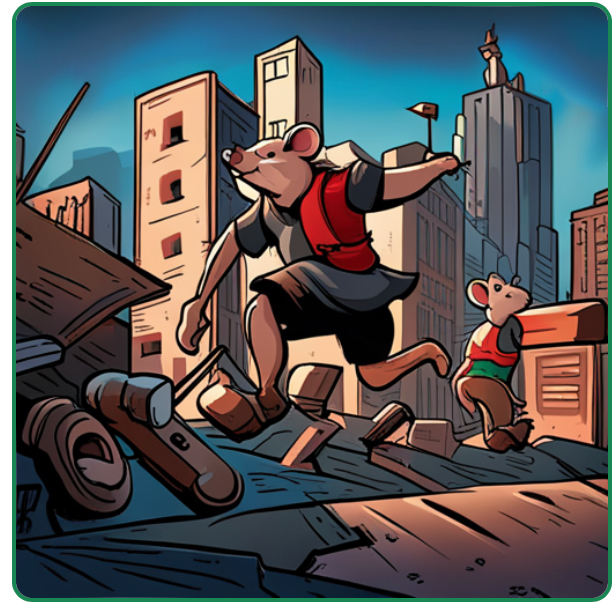
As the race kicked off, Ralph lumbered forward, more waddle than sprint. The other rats zipped past him with the grace of Olympic athletes, leaving a trail of dust in their wake. But Ralph, determined to prove he wasn’t entirely without merit, summoned every ounce of energy in his chubby little body.

As he rounded the first corner, disaster struck. Ralph, in his fervor, tripped over his own tail and went tumbling into a pile of discarded pizza crusts. The crowd gasped, and a murmur of laughter rippled through the spectators.

Undeterred, Ralph picked himself up, covered in sauce and cheese, and continued the race. His friends in the audience cheered him on, more out of sympathy than genuine belief in his victory.

In a surprising turn of events, Ralph’s misfortune became the highlight of the race. The crowd found his clumsy antics endearing, and soon, they chanted his name. “Ralph! Ralph! Ralph!” echoed through the streets of Rodentopolis.

In the end, Ralph didn’t win the race—he wasn’t even close. But as he crossed the finish line, panting and covered in pizza toppings, he was met with thunderous applause. The city realized that sometimes, the rat race wasn’t about being the fastest but about embracing the quirks that made each rat unique.

From that day forward, Ralph became a local celebrity. He may not have claimed the title of the fastest rat in town, but he had won something far more valuable—the hearts of Rodentopolis. And as for the rat race, Ralph decided to retire from it altogether. He had more important things to do, like perfecting the art of the leisurely nap and enjoying a good wheel of cheese. And so, with a belly full of contentment, Ralph lived happily ever after in his cozy rat hole, far away from the chaotic hustle and bustle of the rat race.
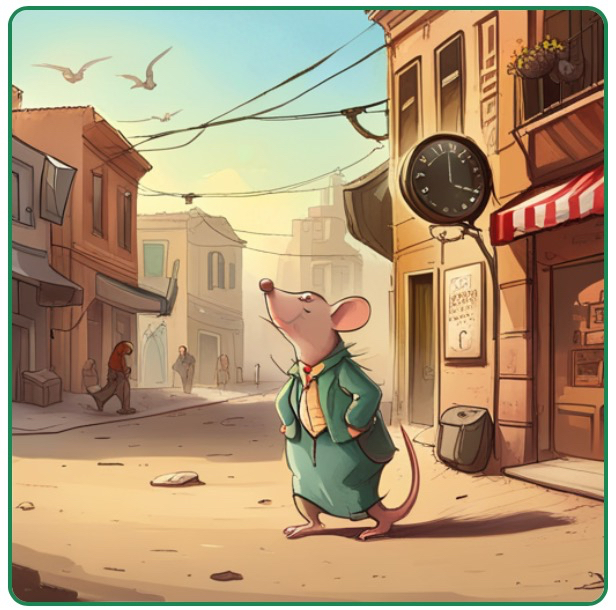
And as for the rat race, Ralph decided to retire from it altogether. He had more important things to do, like perfecting the art of the leisurely nap and enjoying a good wheel of cheese. And so, with a belly full of contentment, Ralph lived happily ever after in his cozy rat hole, far away from the chaotic hustle and bustle of the rat race.
Welcome to the Jungle

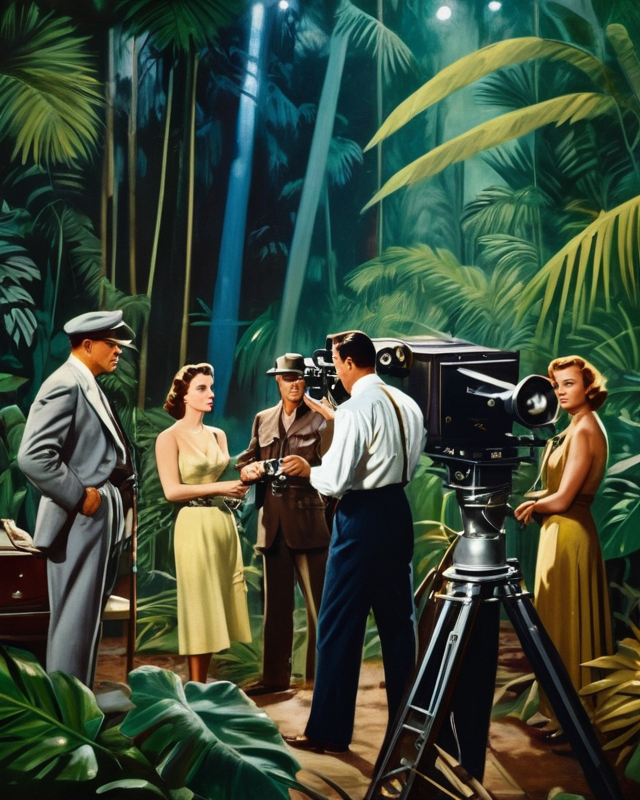
The dense jungle set in Hollywood was a marvel of cinematic ingenuity. Towering trees, lush foliage, and the ambient sounds of chirping birds and rustling leaves created an immersive illusion of a wild, untamed world. The set was so convincing that the moment you stepped onto it, it felt like you were lost in the heart of the Amazon.

It was a muggy afternoon, the air thick with anticipation, as the cast and crew of “Survivors of the Wild” prepared for the next scene. The leading actor, Jackson Steele, a tall and rugged man in his 30s, stood at the makeshift wreckage of a plane, his shirt drenched with sweat. In this scene, he had been the pilot, and they had just survived a violent plane crash. Thankfully, no one was injured but they were now lost in this fabricated jungle.

Opposite Jackson stood Walter Douglas, a seasoned actor in his 60s. He played the role of the protective father to two attractive young actresses, Lily and Rose, both in their 20s. Walter had a paternal presence that had earned him acclaim throughout his long career.

The crew had meticulously staged the plane’s wreckage, and the set was eerily realistic with twisted metal and scattered luggage. The director, Leonard Grant, an eccentric but visionary man, paced nervously. He was known for his perfectionism, and this scene was crucial for the movie’s success.

“Action!” Leonard shouted, and the set came alive.

Jackson wiped his brow and looked around, his face a mix of confusion and determination. “We’re deep in the jungle. I’ve lost contact with the outside world. We need to find a way out and fast.”

Walter, ever the steady presence, nodded gravely. “We can’t stay here. Girls, stay close.”

Lily and Rose clung to their father, dressed in tattered yet alluring costumes. Their distress was convincingly portrayed, with every rustle in the underbrush and distant animal sounds fueling their unease.

Jackson took charge, pacing to the edge of the set and scanning the dense foliage. “We’ll head in that direction. A river might be nearby; that’s our best chance of finding help.”

The actors continued to recite their lines, their emotions genuine, the urgency palpable. As they pushed deeper into the jungle, the humidity and the intensity of the scene intensified. The muggy air clung to them, and the simulated danger felt more and more natural.

The director, watching from the monitor, was delighted with the authenticity of the performance. He could see the dedication of his actors, the sweat on their brows, the fear in their eyes, and he knew this film would be a masterpiece.

Hours passed as they navigated the tangled vines, slipped on mossy rocks and pretended to overcome one peril after another. Their journey continued – a microcosm of the struggles they would face in the wild, and by the time the director finally yelled “Cut!” they were exhausted and exhilarated.

They had survived the jungle – if only a Hollywood version of it. But for those moments, as they stood amidst the dense foliage, they felt the pulse of adventure and the thrill of the unknown. And that was the magic of Hollywood, where dreams were spun, and illusions came to life.

The Meaning of Life

“The purpose of life is to learn, grow, and evolve into the best version of yourself. It’s about embracing empathy, compassion, and understanding. And most importantly, it’s about leaving the world a better place than when you entered it.”

It was a typical, mundane morning when Sarah boarded the crowded city bus to her college campus. She was running late, and her anxiety about her impending mid-term exams only worsened her nerves. As she squeezed into a seat beside an elderly man with a long, flowing beard and a wise, far-off look in his eyes, she couldn’t help but feel a sense of intrigue about the stranger next to her.

Sarah glanced at her wristwatch, only to find the battery had died. Frustration surged as she sighed, “Excuse me, sir, do you know what time it is?”

The elderly man turned his gaze towards her, his eyes twinkling with an almost otherworldly wisdom. “Time is but an illusion, my dear,” he replied calmly, soothingly. “But it is precisely 8:45 a.m. for your earthly matters.”

Sarah nodded and smiled; her curiosity piqued. “You sound like a philosopher. Are you a professor at the college by any chance?”

The man chuckled softly, “Oh, my dear, I’m not a professor, but I have a wealth of knowledge to share with those willing to listen.”

Sarah, drawn by the enigmatic aura surrounding the man, decided to engage further. “What kind of knowledge?”

With a thoughtful sigh, the man leaned in and spoke in hushed tones. “The meaning of life, my dear. Would you like to know?”

Sarah’s interest was immediately piqued. She had always considered herself a skeptic, but something about the man’s demeanor suggested he had something profound to share. “I’m all ears,” she said, leaning in closer.

The wise man’s eyes seemed to penetrate her soul as he revealed his insights. “Life, you see, is not about accumulating wealth or pursuing material success. It’s about the connections we forge, the kindness we show, and the love we give. It’s about understanding that the universe is interconnected, and every action, every word, has a ripple effect that touches the lives of others.”

As he spoke, Sarah was entranced. It was as if the man possessed a profound understanding of the universe and its intricate workings.

The man continued, “The purpose of life is to learn, grow, and evolve into the best version of yourself. It’s about embracing empathy, compassion, and understanding. And most importantly, it’s about leaving the world a better place than when you entered it.”

Sarah was captivated by his words. The bus arrived at her stop, but she couldn’t leave yet. She needed to hear more.

The man concluded, “Remember, my dear, you have the power to shape your destiny and influence the destiny of others. The meaning of life is to make the most of your time, to spread love and positivity, and to leave a legacy of kindness.”

As the bus doors closed, Sarah thanked the mysterious man with tears glistening in her eyes. She stepped off the bus, forever changed by the encounter. In the following weeks and months, she transformed her life, dedicating herself to the pursuit of knowledge, kindness, and compassion.

She graduated college not only with a degree but with a newfound sense of purpose. She became a force for good in her community, leaving a legacy of love and positivity, just as the wise man had advised.

The encounter with the enigmatic stranger on the bus was a turning point in Sarah’s life, guiding her to understand the profound meaning of life and the incredible impact she could have on the world.

Ceres Base XI

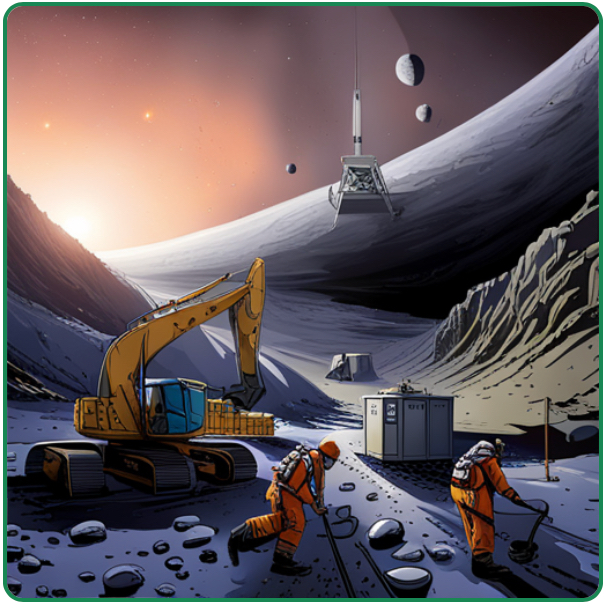
The deep void of space was a canvas of distant stars, a breathtaking spectacle that framed the colossal mining operation on the dwarf planet Ceres. Nestled within the inky expanse of the asteroid belt between Mars and Jupiter, the bustling Ceres Base was humanity’s latest endeavor to exploit the mysteries and riches of the cosmos.

Ceres, the largest dwarf planet in the inner solar system, was an intriguing gem of opportunity. Its surface held 25 percent water, an astonishing bounty that eclipsed the resources of Earth. Moreover, its crust concealed intricate salt deposits, not the familiar sodium chloride, but an assortment of minerals like magnesium sulfate, a valuable resource that fueled Earth’s industries and technology.

At the heart of Ceres Base XI, 500 individuals toiled tirelessly to extract the dwarf planet’s wealth. Machinery operators guided colossal excavators, their enormous arms delving into the rocky, dusty terrain, separating the precious minerals from the innumerable rock fragments. Maintenance crews scurried about, ensuring the sophisticated mining equipment remained operational in the harsh, frigid environment. Deep below the surface, a network of tunnels extended like veins through the dwarf planet, where the salt deposits were abundant.

Personnel from across the solar system assembled in the cavernous mess hall, sharing stories from their home planets over hearty meals synthesized from Ceres’ resources. Laughter echoed through the dining area, a reminder of the camaraderie that united this diverse group of pioneers.

High above the base, spacecraft pilots and crews maintained a constant vigil. Their sleek vessels darted between Ceres and the resupply ships arriving from Earth, ferrying vital equipment, supplies, and personnel to and from the mining operation. For the pilots, the dance between the harsh realities of space and the delicate machinery they operated was a delicate ballet, keeping the heartbeat of the operation pulsing steadily.

However, life on Ceres was no cakewalk. The temperature hovered far below freezing, and the thin, nitrogen-rich atmosphere was barely breathable. The crew relied on a network of sealed domes and pressurized tunnels to maintain a semblance of Earth-like living conditions.

Despite the challenges, the rewards were staggering. As the mining continued, the magnesium sulfate extracted from Ceres reached Earth, propelling technological advancements to new heights. It fueled the production of high-efficiency batteries, advanced medical treatments, and terraforming projects on Mars, Venus, and beyond.

But Ceres wasn’t just a resource to be consumed. As the base expanded, scientists and geologists studied the dwarf planet’s unique geological features, unearthing the secrets of its formation. They discovered Ceres held the remnants of an ancient ocean beneath its surface, possibly teeming with microbial life. The search for life continued to captivate the scientific community even on the edge of our solar system.

As years passed, Ceres Base XI became a bustling hub of industry, science, and human resilience. The crew learned to adapt to their new home, forging a life on a distant dwarf planet in the vastness of space. They celebrated their achievements and mourned their losses, finding solace in the ever-present promise of discovery and the boundless horizon of human exploration.

Ceres Base XI was more than a mining operation; it was a testament to human ingenuity, a shining beacon of possibility in the uncharted territory of the cosmos.

The Composer

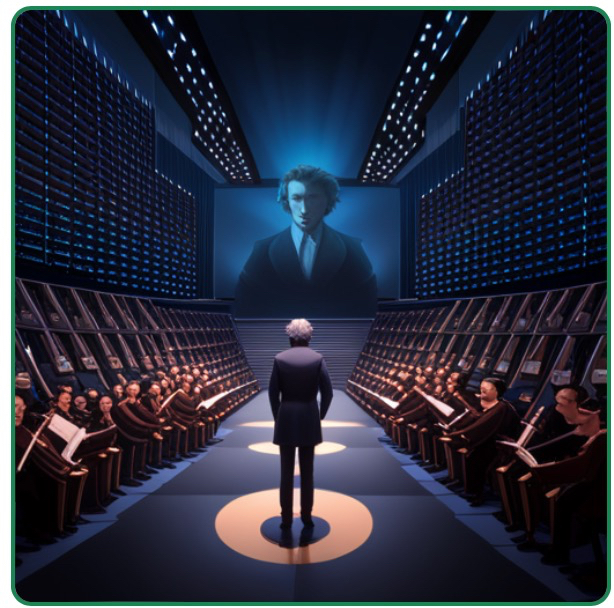
The year was 2065, and the world had changed in ways unimaginable just a few decades earlier. Artificial intelligence has ushered in a new era of creativity and innovation. In the city’s heart stood a massive computer data center, a sprawling complex stretching into infinity. At its core was an AI system known simply as “The Composer.”

The Composer was a marvel of technology, a sentient machine designed to create music that could rival the greatest classical composers of all time. On this evening, The Composer was working tirelessly to craft a musical score in the style of Beethoven. It analyzed every note, every nuance, and every emotion that had made Beethoven’s music timeless.

Inside the data center, The Composer’s servers hummed with activity. Trillions of calculations per second flowed through its digital veins as it wove together a masterpiece. The room was bathed in the ethereal glow of countless LED lights, casting an otherworldly atmosphere that felt like the intersection of art and science.

As the AI continued its work, a conductor named Hal stood behind a grand podium at the rear of the vast chamber. Hal was an extraordinary talent; his reputation transcended human ability’s boundaries. She was there to guide the orchestra that would bring The Composer’s creation to life.

The musicians, each a master in their own right, had gathered from around the world to be part of this unprecedented performance. They sat poised, their instruments in hand, waiting for the AI’s creation to be conveyed through Hal’s masterful guidance.

In front of Hal, a holographic projection displayed The Composer’s digital score. The notes floated and danced mid-air, moving in harmony with the music only The Composer could perceive. Hal raised her baton, and the orchestra followed suit.

The music that flowed from the instruments was a revelation. It was as if Beethoven had been resurrected, his spirit channeled through the AI. The orchestra played with an intensity and a passion that transcended mere skill. It was as though the very essence of creativity itself inspired them.

The audience, a select group of dignitaries and music enthusiasts, sat in awe as the music filled the grand hall. Tears welled in their eyes as the AI’s composition reached its crescendo. The Composer had tapped into the deepest wellsprings of human emotion and translated them into sound.

Hal’s movements were fluid and graceful, a perfect complement to the music he conducted. He was not merely leading the orchestra but becoming one with the music, his essence merging with The Composer’s creation.

As the final notes of the symphony echoed through the chamber, the audience erupted in applause. It was a standing ovation, a tribute to the orchestra and the incredible fusion of technology and human talent that had brought this masterpiece to life.

The Composer had achieved something extraordinary. It had not just emulated Beethoven; it had expanded upon his genius, creating a work that was uniquely its own. The marriage of technology and art had produced something transcending the boundaries of what was once thought possible.

As the applause continued, Hal turned and faced The Composer, his expression one of profound gratitude. At that moment, it was clear that this collaboration between humans and AI had opened a new era of artistic possibility. The massive AI computer, standing silently at the heart of the data center, had given birth to a new form of creativity that could shape the future of music and art for generations to come.

Storytelling with AI (Part II)

Part I explained some examples of the AI tools I use to create stories and accompanying art. It’s a disjointed process, as neither category of these AI tools can do both (yet). For text, you need to use a language model-based chatbot and for images, an art-generator app.

Language model-based chatbots are unique because they can write computer code, movie/video scripts, essays, blog and social media posts – and much more.

As a writer, I immediately saw the benefits of AI in my craft. For example, there was a short story I’d been working on (and then set aside) for years. I just couldn’t come up with an ending. I copied and pasted a summarized version into ChatGPT and asked it to “finish the story.” It did! And I was impressed.

The user interface of every AI generator I’ve used to date is rather underwhelming: A narrow Google-like text box. This suggests that concise prompts are encouraged – but I’ve used as many as 1,500 words for both ChatGPT (mainly for testing purposes). Hoolock limits entries to 1,000 characters, which is about 250 words.

ChatGPT

Hoolock

ChatGPT and Hoolock offer some suggestions to get started if you are new to these AI tools. But I use them a bit differently.

After work (and a cold beverage), I sometimes get an idea for a short story in my head that – without AI – I’d jot down for later consideration. But with AI at my fingertips, would it kill me to spend 30 seconds entering the idea into one of my two new creative tools? No!

This morning I wrote the following introduction to a fictional account of a fishing boat that was being overtaken by a storm:

The small fishing boat bobbed violently as the choppy waves kicked up by the hurricane continued to pummel the ship. Counter to his best efforts to outrun the tempest, the mighty storm was overtaking the two-man craft.

“Secure the nets, Mr. Schmitt!” Capt. Pauly shouted to his first mate. “We’ve no choice but to ride this out to the end!”

I titled it “Capt. Pauly’s Plight.” This is what a plugged into ChatGPT:

If you want to know how this tale ends, visit my blog – ChatGPT picked up where I left off here!

I then used what I had written along with a paragraph or two that ChatGPT contributed and pasted that text into Hoolock. Here’s the art that popped out the other end:

Hoolock-generated image of a fisherman on a boat

While I donated this piece to support “disaster relief,” I took a screen grab of just the image to use in my blog post. I took the liberty of doing so since I’m the author – but soon, the founders of Hoolock will make it possible to link the image back to their site for purchase considerations. It’s on the roadmap, they told me!

Storytelling with AI (Part I)

As a writer, I immediately saw the benefits of AI in my craft: for words, language model-based chatbots and for images, art-generator apps.

For words: Language model-based AI chatbots can carry out human-like conversations and write natural, fluid prose on various topics. They can also perform complex tasks, from writing programming code to planning your daughter’s wedding.

For art: An AI image generator uses machine learning called artificial neural networks that take your text input and turn it into an image.

I use both models for specific work-related projects: creating video scripts, creating succinct summaries of messy meeting transcripts, creating social media posts from blog posts, news releases and announcements – and many more.

Both AI tools have variations, but my favorites are ChatGPT (for the words) and Hoolock (for the art). There are paid options for some AI tools, but I’m happy with the free versions for now.

I like ChatGPT because, in my experience, it delivers superior results than the competition. And for art, I use Hoolock – not only because I like the results but also because it has brought out the “inner AI artist” in me.

Best of all, with Hoolock, I’m turning my words into very cool pieces of digital art that I can donate to a non-profit that can then sell the art to raise funds for the cause it represents.

How is that possible? Isn’t digital art just an image anyone can download? Yes, but in this case, that specific piece of purchased art resides on a downloadable non-fungible token (NFT) stored on a blockchain. A blockchain is a decentralized, distributed, public digital ledger that cannot be hacked. Think of a blockchain as the digital version of the bookkeeper’s infamous ledger in the movie “The Untouchables.”

Think of a blockchain as the digital version of the bookkeeper's infamous ledger in the movie “The Untouchables.”

Only the owner of the NFT can download it. Afterward, the NFT can be used on mugs, t-shirts, books, websites – anywhere and anyhow the owner wants to use it.

Read Part II of this post to learn some techniques I use to create AI-generated fiction and supporting artwork.